es

Buscar

 中文简体
中文简体 English
 Español
 عربى
عربى Indonesia
Consulta ahora 
In the global leather alternative materials market, PVC synthetic leather has become an indispensable raw material for industries including bags, automotive interiors, furniture, apparel, and electronics. As the world's largest synthetic leather factory cluster, China accounts for more than 60% of global production, covering a complete product range from basic coatings to high-end functional customization. Located in Dongtai, Jiangsu Province, a leading manufacturer specializing in PVC synthetic leather custom development and production upholds scientific and technological innovation as its core business philosophy, offering over 100 varieties of PVC synthetic leather products to global markets.
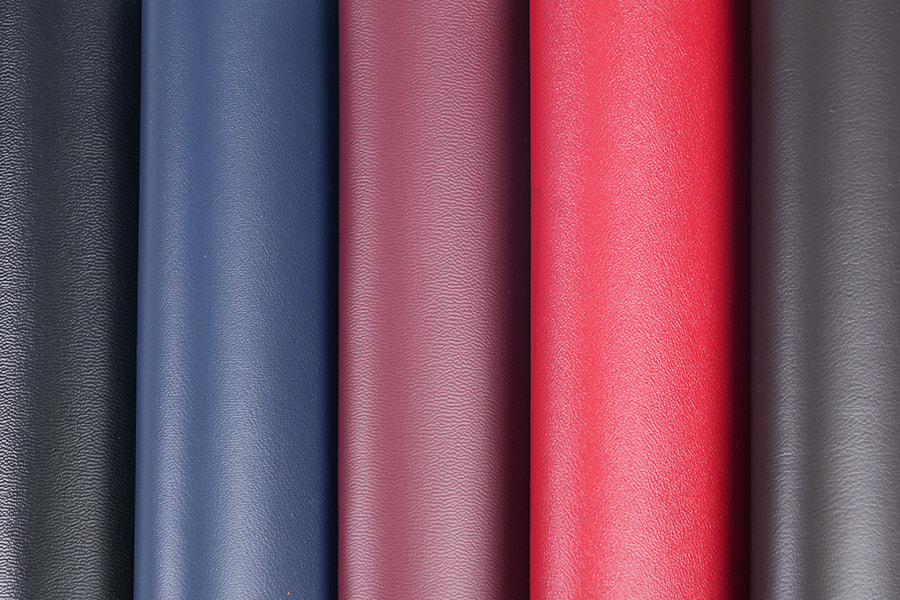
What is PVC synthetic leather? This is the first question many buyers and product designers ask. PVC synthetic leather is a composite material that uses polyvinyl chloride as the primary coating on a woven or knitted fabric base, manufactured through calendering, foaming, or transfer coating processes to achieve an appearance and feel similar to genuine leather.
The manufacturing process consists of three core stages: base fabric pre-treatment (improving adhesion and dimensional stability), PVC compound coating (formulating plasticizers, stabilizers, pigments, and other components), and surface finishing and embossing (replicating leather grain patterns, lychee textures, cross-hatch patterns, and more). Different China synthetic leather factory operations vary significantly in formulation ratios and process parameters, which directly determines the durability and texture of the finished product.
Core material structure: Base fabric (Woven/Knitted Fabric) - Foam Layer - PVC Surface Coating - Finish/Topcoat
The following key physical parameters apply to standard-grade PVC synthetic leather produced by qualified synthetic leather manufacturers:
| Parameter | Value | Test Standard |
|---|---|---|
| Abrasion Resistance | 50,000 cycles or more | Martindale Abrasion Test |
| Tensile Strength | 180 N/cm or more | Warp and weft average |
| Cold Resistance Temperature | -20 degrees C to -30 degrees C | No cracking at low-temperature flexing |
| Thickness Range | 0.6mm to 2.0mm | Customizable on demand |
| Standard Width | 54 inches / 137cm | Standard roll specification |
| Color Fastness | Grade 4 or above | ISO 105 Rubbing Color Fastness |
Is PVC synthetic leather good? The answer depends on the application and product requirements. From an overall value perspective, PVC synthetic leather is one of the most balanced synthetic leather types in industrial production in terms of cost control and performance, and is widely used in the following areas:
Automotive seat covers and steering wheels, handbags and luggage, office chairs and sofas, shoe upper materials, electronic device protective cases, fitness equipment padding, and interior decoration materials.
Compared to genuine leather, top synthetic leather products offer clear advantages in consistency, large-batch supply stability, and cost control. Compared to PU synthetic leather, PVC synthetic leather performs better in terms of stiffness, solvent resistance, and lower cost, though it falls slightly short in softness and breathability.
| Performance Dimension | PVC Synthetic Leather | PU Synthetic Leather | Genuine Leather |
|---|---|---|---|
| Cost | Low | Medium | High |
| Abrasion Resistance | Excellent | Good | Good |
| Waterproofness | Excellent | Good | Average |
| Softness | Medium | Excellent | Best |
| Breathability | Low | Medium | Best |
| Eco Certification Availability | REACH / RoHS | Multiple certifications | Limited |
| Large-Batch Production Stability | Very High | Very High | Limited |
| Color Customization | Rich | Rich | Medium |
Is PVC synthetic leather waterproof? The answer is yes. The closed-cell structure of PVC synthetic leather gives it naturally excellent waterproof properties, which is the fundamental reason for its widespread use in outdoor products, luggage, and automotive interiors.
From a technical standpoint, the PVC coating forms a continuous, dense waterproof film that prevents liquid water from penetrating to the base fabric layer. High-quality PVC synthetic leather products meet the following waterproof benchmarks in standard testing:
Hydrostatic Pressure Test: typically 3,000mm water column or more, with functional-grade products reaching 10,000mm or above. After surface water-repellent treatment, water roll angle is 90 degrees or more and contact angle is 110 degrees or more. Salt Spray Test: no corrosion or blistering after 500 hours.
It is important to note that the waterproof performance of PVC synthetic leather is primarily surface-level impermeability. Stitching areas may still allow water ingress if left untreated. High-end applications such as outdoor backpacks and protective gloves typically require waterproof thread and heat-sealed seam tape in combination.
Synthetic leather factory operations in China are primarily concentrated in Jiangsu, Zhejiang, Guangdong, and Fujian provinces. Each regional cluster has distinct technical strengths and product focuses. Dongtai in Jiangsu Province is one of the country's key synthetic leather manufacturing bases. Local factories have accumulated deep process expertise in sub-categories such as automotive leather, sofa leather, and bag leather, supported by well-equipped automated production lines and the capacity to respond quickly to large-volume orders.
When evaluating synthetic leather manufacturers, professional procurement teams typically focus on the following dimensions: the degree of production line automation (which affects batch-to-batch consistency), in-house laboratory testing capability (including REACH, RoHS, and ASTM third-party certifications), monthly output capacity (to determine whether large-order requirements can be met), sample lead time (typically 7 to 14 days), minimum order quantity (MOQ), and the breadth of available color samples.
Factories specializing in PVC synthetic leather customization typically build their product systems around end-use application scenarios. The following six categories represent the mainstream product line configuration among leading synthetic leather manufacturers:
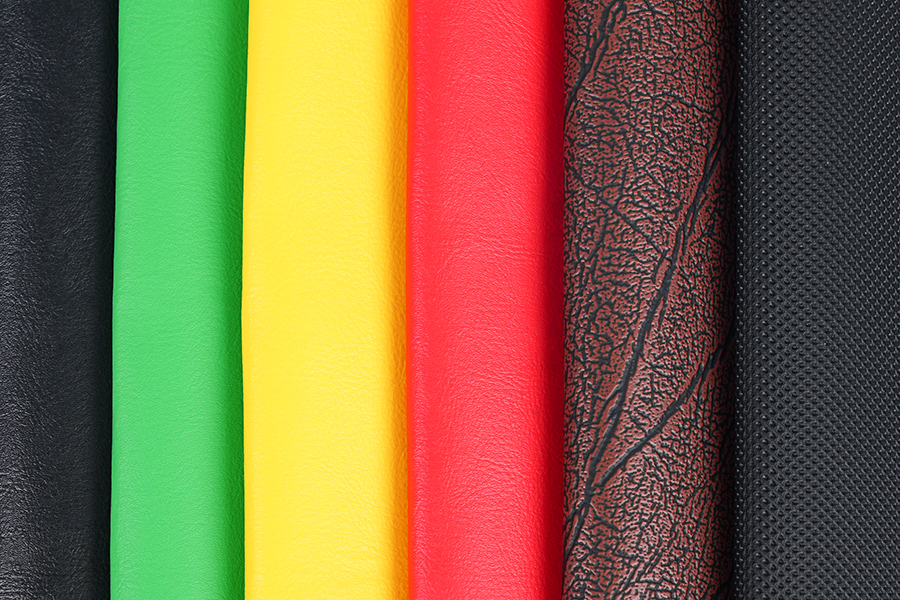
Automotive Leather - High heat resistance and UV aging resistance, suitable for seats, door panels, and steering wheels.
Sofa Leather - Soft and wear-resistant with excellent flex fatigue performance, available in a wide range of customized colors.
Bags and Luggage Leather - Abrasion and scratch resistant, lightweight construction, rich variety of surface textures.
Shoe Upper Leather - Excellent flex resistance, optional breathable coating, stable waterproof performance.
Fitness Equipment Leather - Resistant to perspiration and friction, high-elasticity base fabric with good elongation properties.
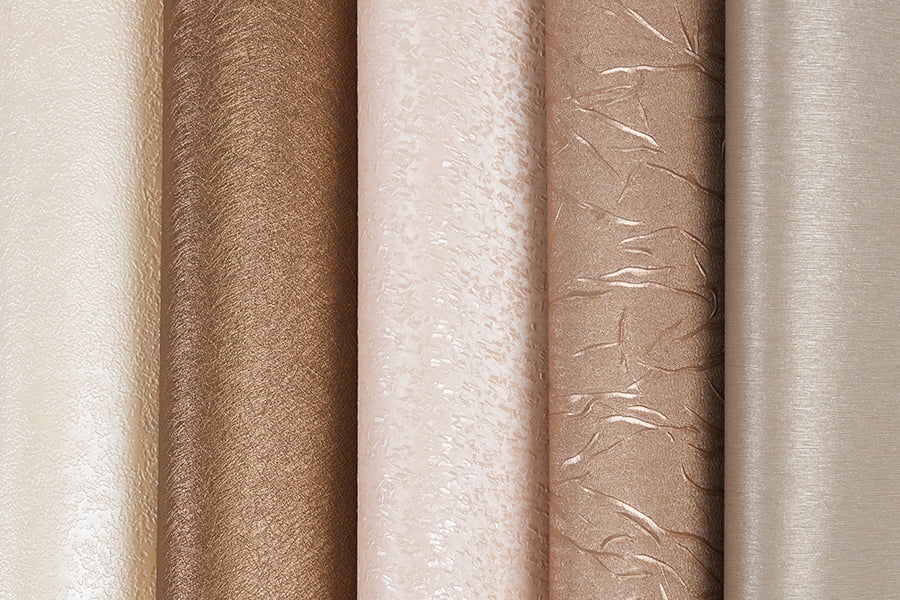
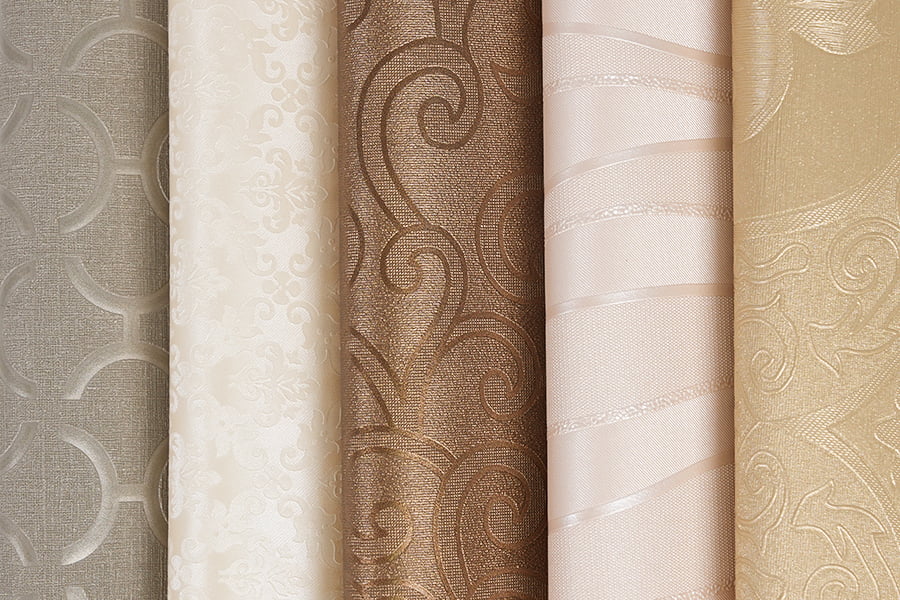
Interior Decoration Leather - Optional flame retardant treatment, precision embossed patterns, widely compatible with wall panels and ceiling panels.
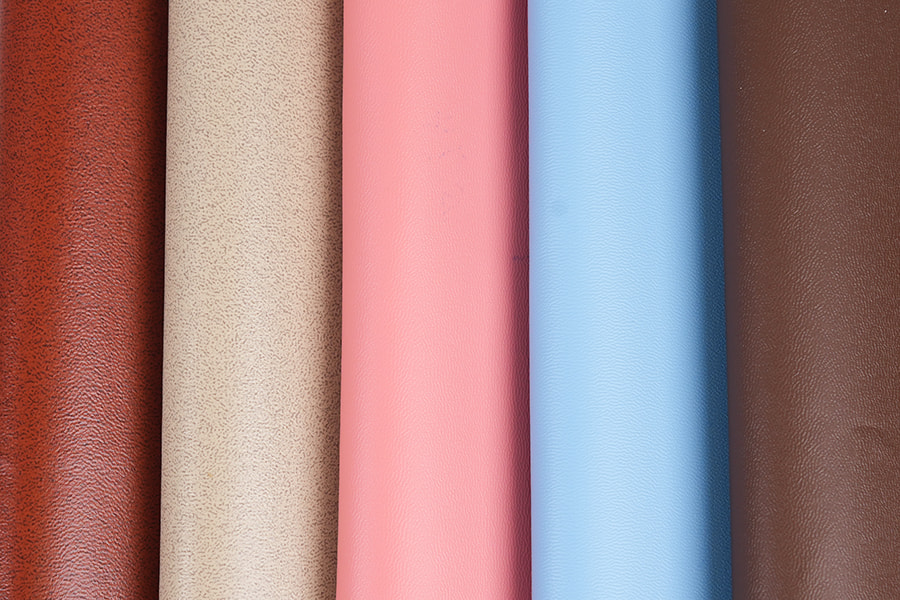
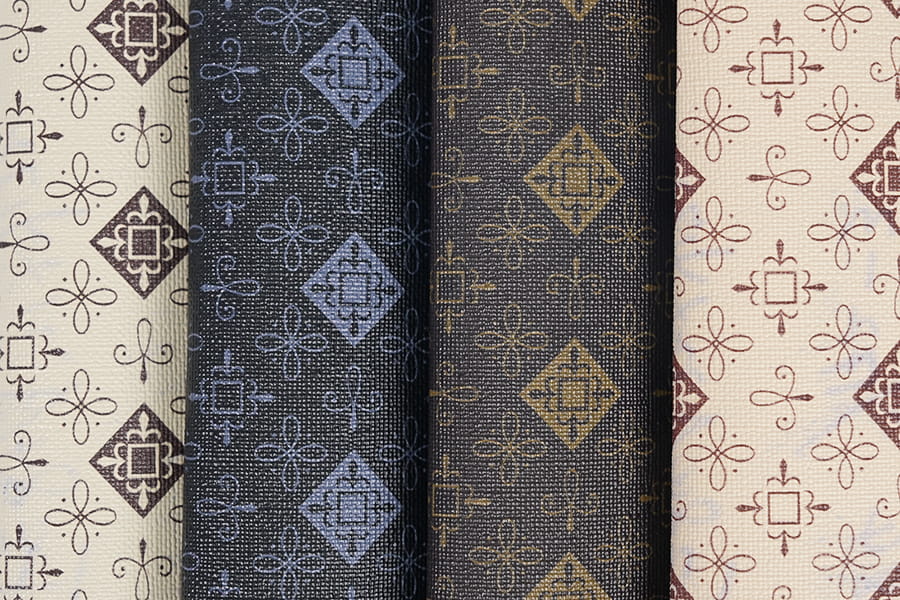
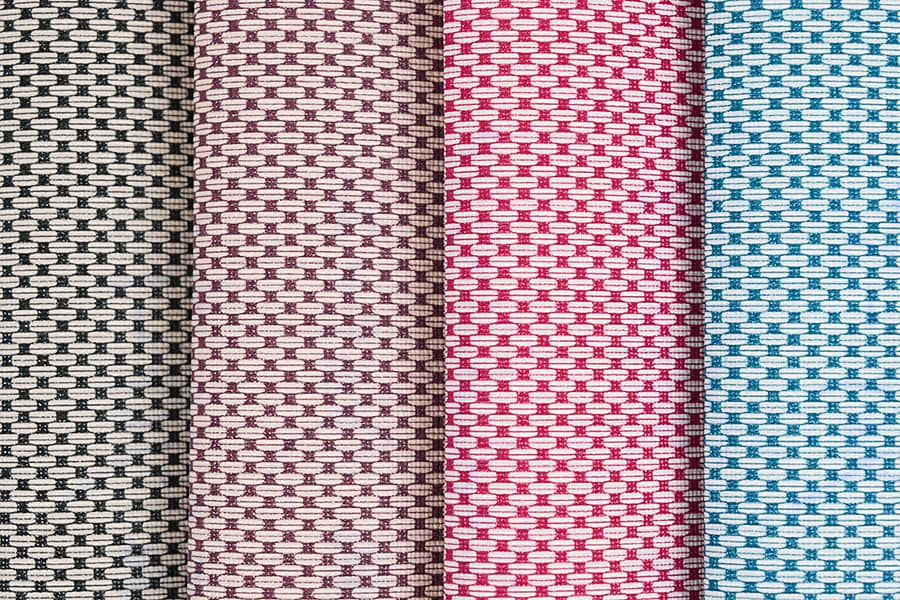
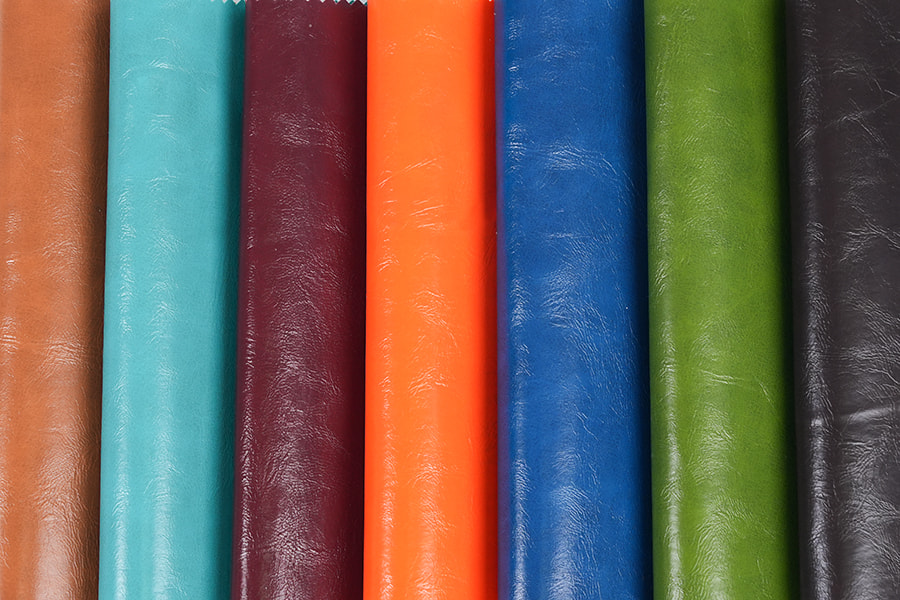
The Dongtai, Jiangsu-based factory is a professional PVC synthetic leather manufacturing base that has long been committed to compound formulation research and process upgrades, with ongoing investment in environmentally compliant material development. Its product range spans six series: automotive leather, sofa leather, bag and luggage leather, shoe upper leather, fitness equipment leather, and interior decoration leather, supporting custom sampling by design, custom color matching, and special functional customization including flame retardant, antibacterial, and low-odor options.
As one of the earlier China synthetic leather factory operators to establish a multilingual international market presence, the facility offers products with over 100 varieties, strict color difference management, consistent large-batch production, and exports to multiple countries and regions. The factory upholds scientific and technological innovation as its core business philosophy and supports global buyers across multiple languages.
| Capability Dimension | Details |
|---|---|
| Product Varieties | 100+ types of PVC synthetic leather |
| R&D Focus | Eco-friendly formulations and functional customization |
| Certification System | REACH and RoHS available |
| Color Customization | Custom color sampling with strict color difference control |
| Supply Stability | Continuous large-batch production with consistent batch uniformity |
| Markets Served | Global markets with multilingual support |
The gap between top synthetic leather products and standard-grade alternatives in the market is typically found in the details of raw material selection and production process control. The following are professional evaluation dimensions:
| Assessment Dimension | High-Quality Product | Low-Grade Product |
|---|---|---|
| Odor | Meets OEKO-TEX standards, no irritating odor | Strong organic solvent smell, high risk of formaldehyde exceeding limits |
| Hand Feel | Evenly supple, surface grain clear and consistent | Locally stiff or brittle, uneven grain depth |
| Flex Test | No cracking after 100,000 low-temperature flex cycles | Surface layer cracks after a few hundred room-temperature folds |
| Color Fastness | Rubbing color fastness Grade 4 or above | Color loss under dry rubbing, severe fading under wet rubbing |
| Back Fabric | Uniform warp and weft density, no visible defects | Rough base fabric, exposed thread ends, uneven thickness |
Before entering formal discussions with synthetic leather manufacturers, it is recommended to clarify the following technical parameters to ensure the selected material precisely matches the product requirements.
Application scenario is the primary input. Automotive interiors, outdoor furniture, electronic accessories, and apparel each place different priorities on synthetic leather performance. Automotive interiors prioritize heat resistance (typically requiring no deformation at 120 degrees C for 24 hours). Outdoor applications emphasize UV aging test performance (xenon arc lamp testing for 500 hours or more with color difference delta E of 2.0 or less). Electronic accessories focus on thickness uniformity and flame retardancy (UL 94 V-0 rating).
Thickness and weight directly affect the finished product feel and cost. The standard PVC synthetic leather thickness range is 0.6mm to 2.0mm, corresponding to a weight of approximately 350 g/m2 to 900 g/m2. Lightweight products suit apparel and small accessories, while heavier products are appropriate for sofas and automotive seating. Once the specification is confirmed, it is advisable to request thickness uniformity test reports for three consecutive production batches from the factory, with a deviation controlled within plus or minus 0.05mm.
Regardless of how a China synthetic leather factory is contacted, full physical property testing should be completed before large-batch production begins, and testing standards should be included as a technical appendix to the procurement contract. Selecting synthetic leather manufacturers with genuine R&D capability and a complete certification system is the foundation for ensuring long-term supply chain stability.
Derecho de Autor © Fu'an Synthetic Materials Co.,Ltd. Derechos reservados.
 Fabricantes de cuero sintético/artificial de PVC personalizado